Your Rewatch History Is a Design Brief (And Designers Are Starting to Read It)

Photo: Shixart1985, CC BY 2.0, via Wikimedia Commons
Ask Americans what they want in a home and you'll get the answers people think they're supposed to give: more space, a bigger kitchen, a yard. Ask the algorithm what they want, and you get something far more interesting.
Because here's what millions of us actually do at the end of a hard day: we stream. And what we stream — specifically, what we rewatch — is a more honest design brief than any focus group has ever produced.
The Rewatch Is the Tell
There's a difference between what people watch once and what they return to. A brand-new thriller might win the evening, but the rewatch queue is where the truth lives. And look at what dominates it: comfort sitcoms with warm, cluttered apartments. Slow travel and building documentaries. Shows set in impossibly cozy pubs, diners, and family homes.
Nobody rewatches a show for the square footage. They rewatch it to sit inside a space — to spend another hour in an interior that feels like a hug. That's not entertainment data. That's emotional data about shelter. And it's pointing somewhere consistent: Americans are drawn to spaces that feel warm, contained, personal, and human-scaled.
Now compare that to what we've actually been building for forty years: open plans, vaulted ceilings, square-footage arms races, interiors staged for a camera that isn't there. The disconnect is enormous.
What the Binge Data Says About Home
Read the rewatch patterns closely and a few themes jump out.
Small spaces, deeply loved. The most beloved sitcom apartments are tiny. They work because every inch is used and every object means something. That's a stronger argument for thoughtful small-space design than any density study.
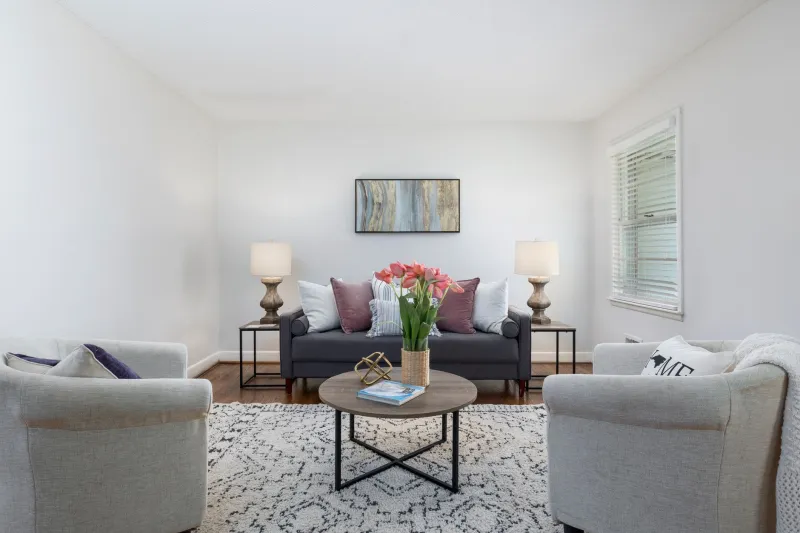
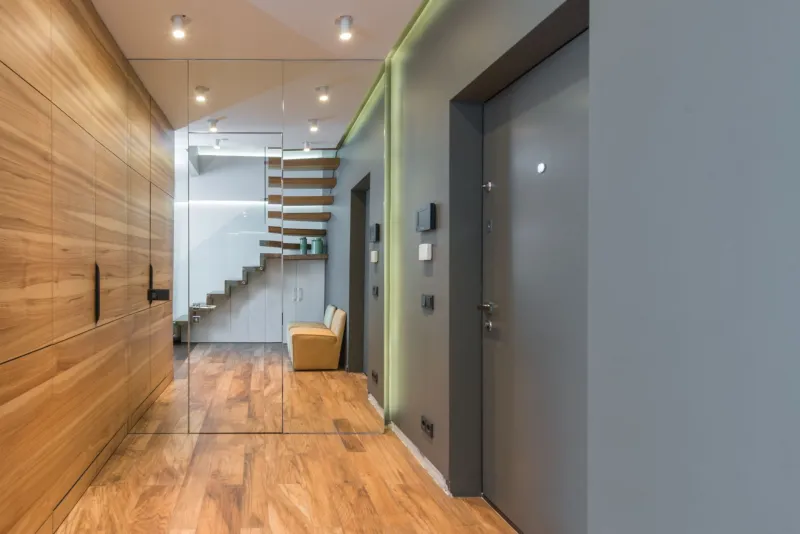
Warmth beats wow. Rewatch favorites skew toward wood, lamplight, clutter, and texture — not white minimalism. The gray-minimalist era looks great in a thumbnail and lonely at 11 p.m.
The kitchen table is sacred. Count how many pivotal scenes in rewatch-heavy shows happen around a kitchen table. Americans aren't dreaming of chef's kitchens; they're dreaming of a place where people gather.
Buildings with history comfort us. The cottage, the old house being fixed up, the stubborn family home — we keep returning to structures with a past. Meanwhile, new construction keeps getting younger and more generic.
Why Designers Should Be Watching
Surveys are flawed because people describe aspirational selves. Sales data is flawed because it reflects what's available. But rewatch behavior is voluntary, repeated, and emotionally unguarded. It's the closest thing residential design has to a continuous, nationwide poll on how people want to feel in a room.
Some developers are already catching on — studying the interiors of beloved shows when staging model units, borrowing the warm-light-and-wood formula that keeps viewers coming back. It sounds gimmicky until you realize what they're actually doing: designing for comfort instead of for the listing photo.
Imagine taking it further. Planners reading binge patterns the way they read census data. Builders noticing that the spaces people emotionally return to are smaller, warmer, and older-feeling than anything in their product lineup — and adjusting accordingly.
The Uncomfortable Conclusion
Here's the part that should make the industry squirm: the collective rewatch queue is essentially a mass critique of contemporary American housing, delivered nightly, for free. We keep streaming ourselves back into spaces that are modest, warm, and full of character — and then we keep building homes that are none of those things.
The data's been sitting there in our watch histories all along. The only question is whether design will finally hit play.