Renovation Nation 2.0: Why Design TV Just Became Prestige Television
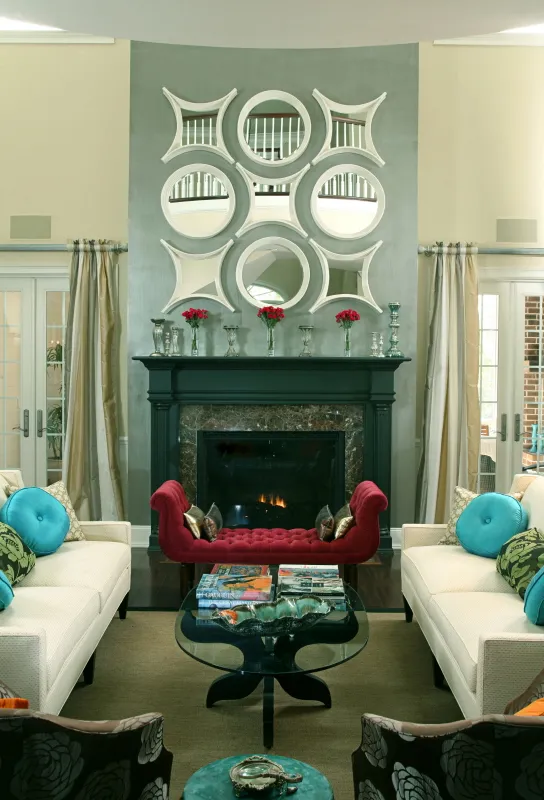
Photo: PoshSurfside.com from Surfside Beach, SC, USA, CC BY-SA 2.0, via Wikimedia Commons
There was a time — not long ago — when admitting you watched three straight hours of house-flipping shows felt like confessing to something. You'd frame it as background noise. A guilty pleasure. Something you put on while folding laundry.
Nobody's calling it a guilty pleasure anymore.
Design television has gone full prestige. The budgets are bigger, the hosts are actual architects, the cinematography would embarrass a feature film, and the streaming platforms have noticed something the old networks never quite grasped: Americans aren't just entertained by watching buildings transform. They're learning from it.
The Numbers Don't Lie (But They Do Surprise)
Scroll through any major streaming platform right now and count the architecture content. Renovation competitions. Slow-motion documentaries about timber framing. Multi-season sagas following one brutal renovation in the English countryside. Micro-genres about tiny homes, adobe builds, off-grid cabins, and — somehow — an entire thriving category devoted to Japanese carpentry.
This isn't an accident. Platforms track completion rates, and design content has an almost unfair advantage: it's relaxing, visually rich, and — crucially — it makes viewers feel like they're gaining something. You finish an episode of a farmhouse restoration and you genuinely know more about load-bearing walls than you did before. Try saying that about your average reality dating show.
The audience is also broader than the stereotype suggests. Yes, there's the traditional HGTV demographic. But there's also a younger cohort — renters, first-time buyers, apartment dwellers — watching these shows not to plan a flip but to understand what's possible in 600 square feet.
From Makeover Machines to Slow Craft
The genre's first boom was built on speed. Week after week, a dated suburban kitchen got demolished and reborn in a 42-minute cycle, complete with dramatic reveal and before-and-after split screen. It was fun. It was also, if we're honest, a little dishonest — real renovations take months and cost more than the shows ever admitted.
The current wave is the correction. Today's standout design programming is slower, more process-driven, and far more interested in the why than the wow. We watch craftspeople argue about window placement. We watch budgets genuinely break. We watch historic buildings reveal their stories layer by layer, not in a montage but in real time.
This shift mirrors something bigger happening in American design culture generally — the same appetite driving interest in handmade goods, exposed building systems, and honest materials. Viewers got tired of the reveal. They wanted the work.
The Quiet Education of America
Here's what makes this moment genuinely significant: design television has become the largest informal architecture education program in the country. Millions of Americans who will never hire an architect now have working vocabularies about passive solar orientation, adaptive reuse, and why open floor plans might be overrated.
You can see the effects in the market. Real estate listings casually drop terms like "shiplap" and "load-bearing" because buyers know them. Clients show up to contractor meetings with opinions about ventilation they learned from a documentary. The screen has done what decades of design journalism couldn't: it made building science entertaining.
And the feedback loop is tightening. Designers appear on these shows, their aesthetics reach millions, those aesthetics show up in suburban living rooms two years later, and then the next season of shows responds to that. Television isn't just reflecting American design taste anymore. In a very real sense, it's setting it.
What to Watch If You're New to the Genre
If your exposure to design TV peaked sometime around 2015, the current landscape will surprise you. Look for the competition formats that treat craft with genuine respect. Seek out the slow documentaries that follow a single build across seasons. And don't sleep on the international imports — some of the most-watched architecture content in America right now comes from studios in Scandinavia and Japan, and it's changing what US viewers expect from their own homes.
The couch is where it starts. But for a growing number of Americans, it doesn't end there. They watch, they learn, and then they look at their own four walls a little differently.
That's not guilty-pleasure territory. That's design culture — streaming live.